30 Oct 2026
Integrating Random Number Generator Variability and Accumulator Scheduling in Compliant Multi-Sport Systems

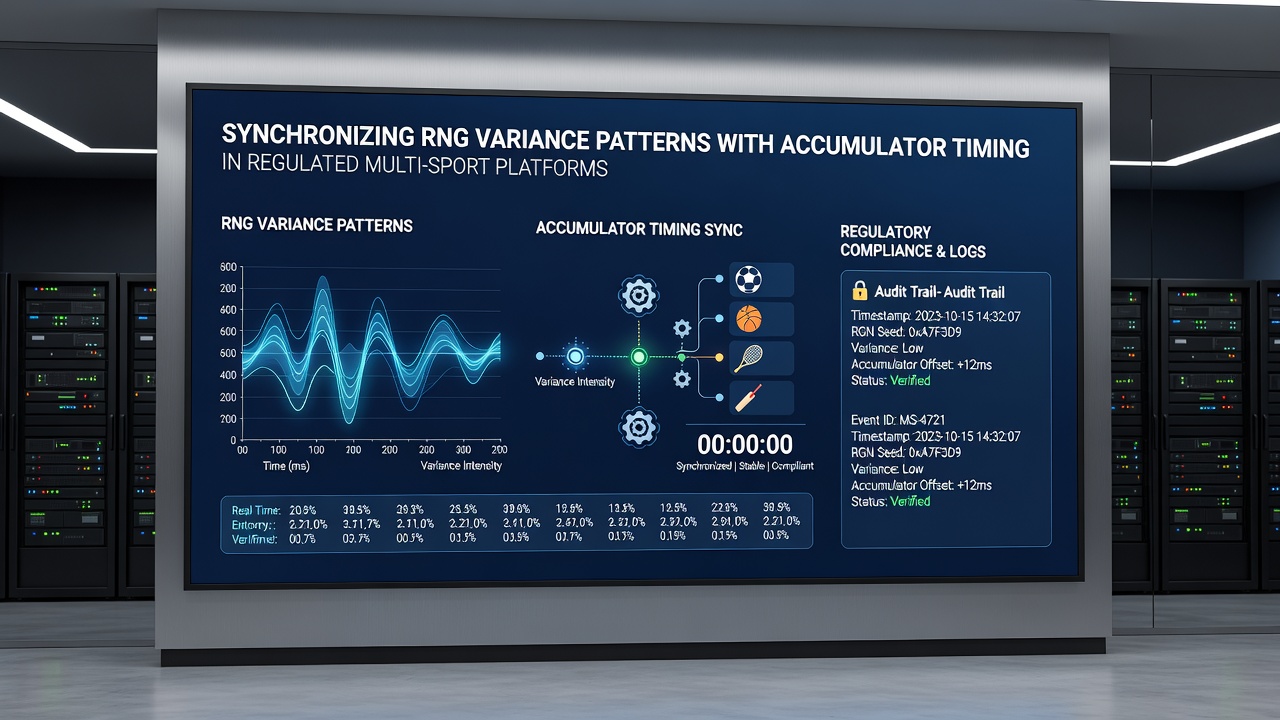
Operators in regulated multi-sport environments face the task of aligning random number generator outputs with the precise windows used for accumulator bet placements, and studies from the Nevada Gaming Control Board show that variance patterns in RNG modules follow measurable distribution curves across game cycles. These curves shift based on session length, stake size, and game type, while accumulator timing relies on real-time data feeds from multiple sports events that update in staggered intervals. Platforms must therefore map RNG deviation ranges against bet settlement sequences to maintain compliance and operational consistency.
Core Components of RNG Variance in Licensed Platforms
Random number generators in certified systems produce sequences that exhibit short-term clustering and longer-term reversion to mean values, according to technical reports issued by the New Jersey Division of Gaming Enforcement. Variance here refers to the statistical spread between expected return percentages and actual outcomes over defined sample sizes, and multi-sport platforms integrate these generators into virtual and hybrid game modules that run alongside live event betting. Observers note that when variance spikes occur during high-volume periods, they can overlap with accumulator windows that close at event-specific deadlines, creating synchronization points that require algorithmic monitoring.
Data collected from platform audits indicates that RNG modules certified under international standards display variance signatures that repeat every several thousand spins or card draws, and these signatures become relevant when accumulators combine outcomes from football, tennis, and basketball markets with differing volatility profiles. Regulators in Australian jurisdictions require operators to log these patterns at the millisecond level so that any deviation exceeding set thresholds triggers review protocols before the next betting cycle opens.
Accumulator Timing Mechanisms Across Sports Markets
Accumulator bets in multi-sport settings depend on coordinated closing times for each leg, and platform software must adjust RNG-driven side games to avoid resource contention during peak settlement windows. Research from the University of Nevada Reno gaming laboratory demonstrates that timing offsets of even a few seconds can alter the effective variance experienced by players who move between RNG slots and live accumulators. Systems therefore employ predictive scheduling that forecasts event conclusion probabilities and pre-allocates RNG processing queues accordingly.
Figures released by the Canadian Gaming Association reveal that platforms handling simultaneous rugby and baseball accumulators experience distinct peak loads compared with those focused on European football calendars, and these load differences directly influence how RNG variance buffers are allocated. Engineers design buffers that expand during low-traffic windows and contract when multiple sports events approach resolution at once, ensuring that certified randomness remains statistically independent from bet timing logic.
Regulatory Requirements for Synchronization Protocols
Compliance frameworks in multiple regions mandate that operators document every instance where RNG variance parameters interact with accumulator settlement logic, and new technical standards scheduled for rollout in October 2026 will require additional timestamp granularity. These standards aim to prevent any perception that game outcomes could be influenced by bet placement velocity, and testing laboratories must verify that variance distributions remain unaltered regardless of accumulator volume. Platforms achieve this through isolated processing threads and cryptographic sealing of RNG seeds at the start of each session.
Industry reports from the European Gaming and Betting Association highlight cases where unsynchronized systems produced temporary clustering that coincided with accumulator deadlines, prompting operators to implement dynamic throttling. The resulting adjustments redistribute processing priority so that RNG calls maintain uniform distribution even when accumulator payouts surge. Data from these implementations shows measurable reductions in flagged variance anomalies after synchronization layers were introduced.
Technical Implementation Approaches Observed in Practice
One major operator in a North American market deployed a middleware layer that samples RNG output streams every 500 milliseconds and compares them against accumulator closure predictions derived from sports data APIs. When projected variance exceeds internal thresholds, the system delays non-critical RNG calls by fractions of a second to preserve statistical integrity. Similar approaches appear in Asian-Pacific jurisdictions where multi-sport platforms must reconcile RNG modules certified by different testing houses with accumulator engines running on separate cloud instances.
Engineers working with these configurations report that combining Kalman filtering techniques with historical variance datasets allows more accurate forecasting of when RNG patterns will re-enter acceptable ranges relative to upcoming accumulator deadlines. The method reduces manual intervention while satisfying audit trails demanded by oversight bodies across jurisdictions.
Conclusion
Platforms operating under multiple regulatory regimes continue to refine the alignment between RNG variance characteristics and accumulator timing cycles through layered monitoring, predictive scheduling, and jurisdiction-specific logging. As October 2026 approaches, updated technical requirements will further specify the precision needed for these interactions, and operators rely on established data sources such as those published by the Nevada Gaming Control Board and the Canadian Gaming Association to benchmark their systems. The result is a set of operational practices that keep certified randomness independent while supporting the complex scheduling demands of multi-sport accumulator products.